What makes a story card?
A story sequence is a set of cards where the artwork connects from one card to the next. Usually it's one illustrator drawing an evolution line in the same place, with time passing between cards. Sometimes it's different Pokémon sharing one scene, or a short joke across two or three cards.
Story sequences make some of the most satisfying binder pages. Each story fills one row of a 9-pocket page, so a single page can hold three complete stories, read left to right.
Every story below is drawn by a single artist. That's the quickest way to find new ones: open an illustrator's full card list and look for evolution lines in the same set.
1. A whole life with Gardevoir
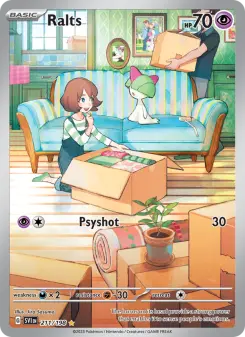
The best-known story set in the modern era. All three cards are drawn in the same cozy home, so the furniture and plants change around the family as Ralts grows up. The first two are Illustration Rares, and the finale is a Special Illustration Rare, which makes this one of the more expensive stories to finish.
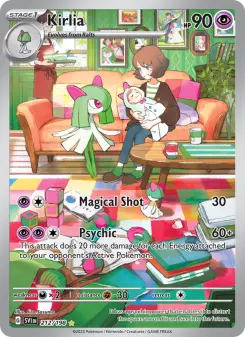
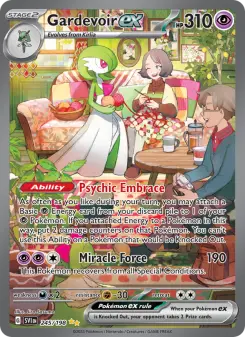
Collect beyond this sequence with the Gardevoir card list and binder guide.
2. Fuecoco goes grocery shopping
Same errand, three stages of growing up. kantaro packs each card with tiny details, so this one rewards a close look in the sleeve. Like the Gardevoir line, it ends on a Special Illustration Rare.
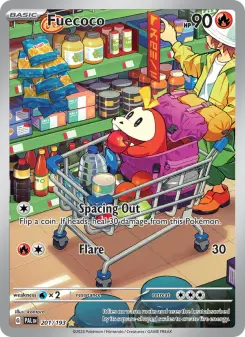
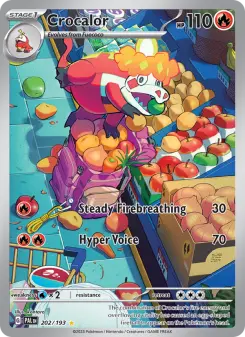

3. A boy and his Charmander
A friendship story told across the boy's life, from childhood to adulthood. The flavor text follows along too: on the first card he wonders whether they can become good friends. These are Radiant Collection cards from Generations, so the whole story is very affordable.
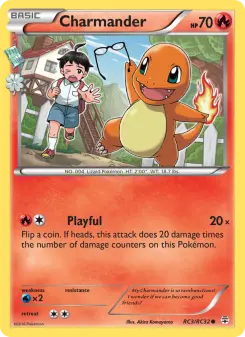
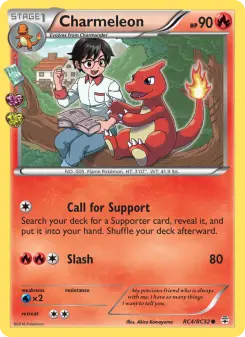
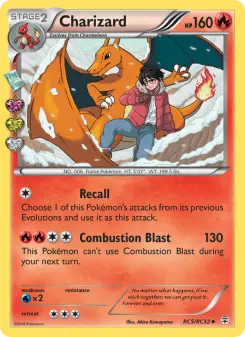
Build around one stage with the Charmander card collection or Charizard binder guide.
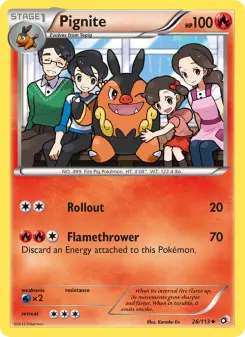
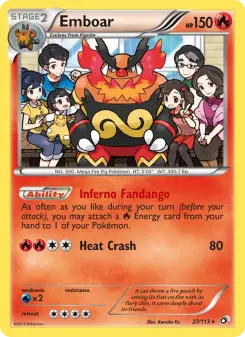
4. The Tepig family album
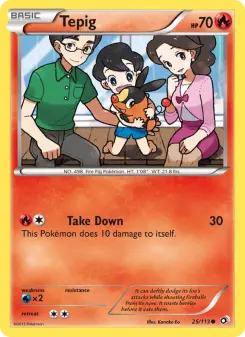
Each card reads like a page from a photo album, taken years apart. It's a story about a Pokémon staying with one family across generations. All three are regular set cards, so it's an easy one to finish.
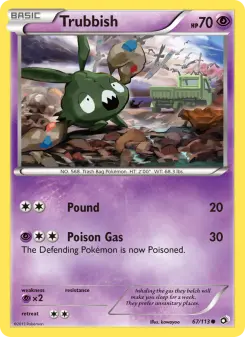
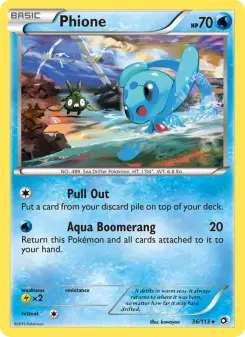
5. Trubbish swims out to sea
Three different Pokémon, one illustrator and one continuous seascape. It's a good example of a story that crosses evolution lines: you only spot it when the cards sit side by side.

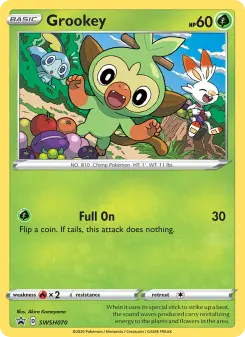
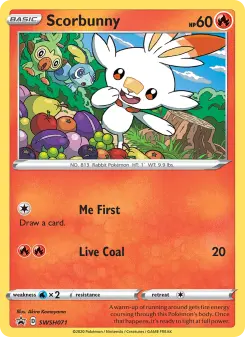
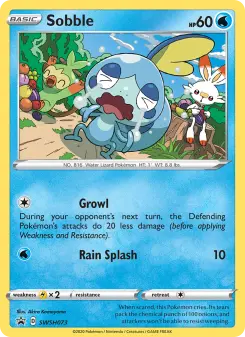
6. The Galar starters and the berries
Not every story needs to grow up. This one is a three-card punchline about poor Sobble. They were promo cards, so they turn up cheaply in bulk and promo binders.
7. Meowth loses its lunch
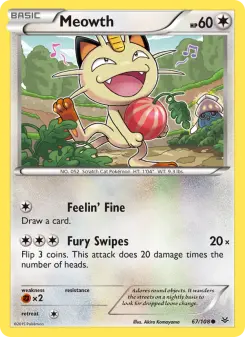
The shortest story here: two commons from the same set. Look closely at the background of the Inkay card to see how it ends for Meowth.

Put the stories in a binder
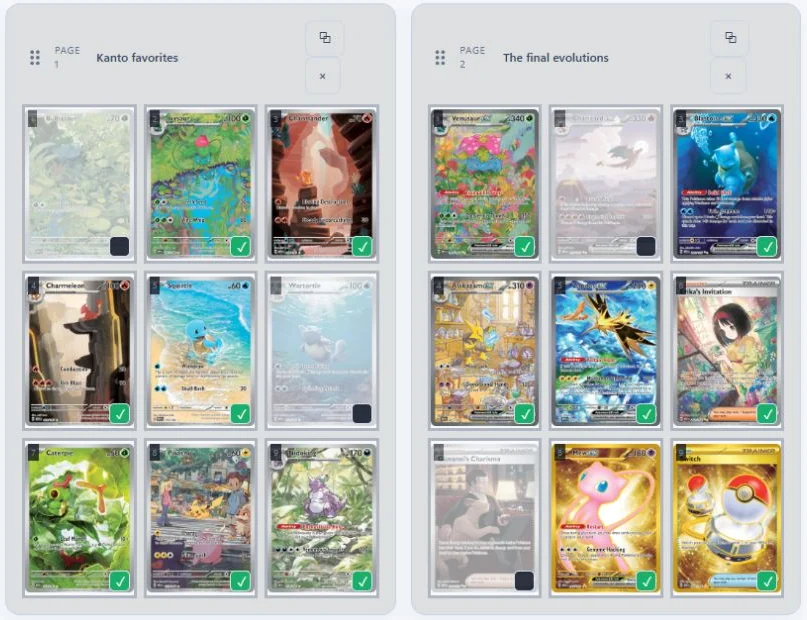
We've laid all seven stories out as a free template: one story per row, so each 9-pocket page holds three. Open it, tick off the cards you own, and the rest stay faded so you can see what's left to find.
- One story per rowOn a 9-pocket page, each row holds a three-card story. Read left to right, like comic panels.
- Keep the orderPut the first chapter on the left. If a story has only two cards, leave the third pocket empty or add a matching card from the same set.
- Use a 4-pocket page for the favoritesA big story like Gardevoir's family reads beautifully at a larger size: three chapters plus an art insert or a title card.
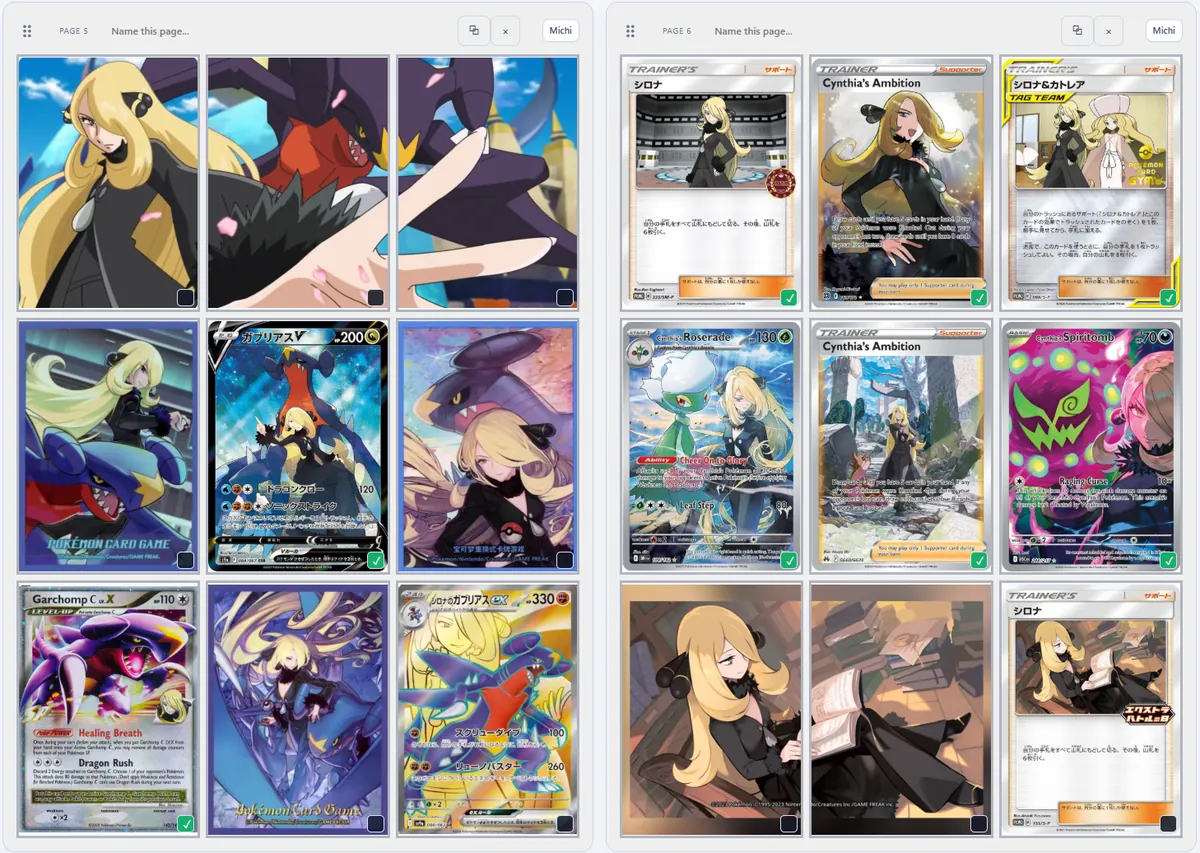
- Add a strip of artA connected art strip across the top row makes a story page feel finished. See the Michi Method guide.
How to find more story cards
- Follow illustrators. Artists like Akira Komayama, kantaro and Jiro Sasumo draw a lot of connected art. Browse their cards on the illustrator pages.
- Check Illustration Rare evolution lines. Modern sets often give a whole evolution line Illustration Rares by the same artist. Look at the Illustration Rare list for back-to-back card numbers.
- Read the flavor text. Sometimes the text tells the story as much as the art, as on the Generations Charmander line.
- Look at the backgrounds. Cameos and repeated places are clues. The cameo guide shows where to search.
FAQ
Which Pokémon card story is the most famous?
The Scarlet & Violet Ralts, Kirlia and Gardevoir ex cards by Jiro Sasumo are probably the best known. They show one woman's life from moving into her first home to growing old, with Gardevoir there the whole time.
Are story cards expensive?
It depends on the story. Lines that end in a Special Illustration Rare, like Gardevoir ex and Skeledirge ex, cost more. Older stories such as the Generations Charmander line and the Legendary Treasures Tepig line are regular cards and usually inexpensive.
How should I display story cards in a binder?
Give each story its own row on a 9-pocket page, in order from left to right. Three stories fill one page, and nothing gets split across a page turn.